

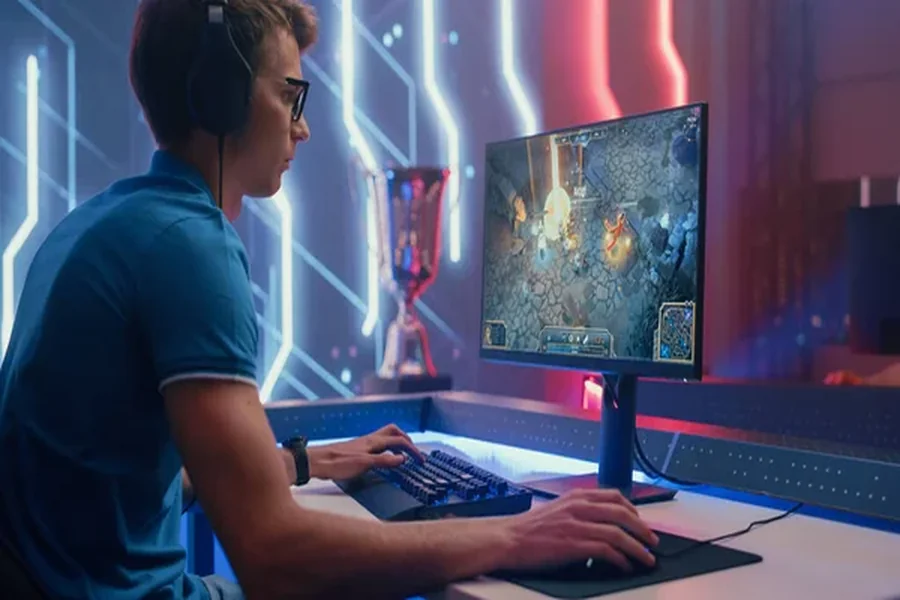
Have you ever noticed how a player can sit with full attention, read a situation fast, and make a smart choice in a few seconds?
Video games often ask players to do exactly that. They place the mind in active situations where attention, planning, memory, timing, and decision-making all work together.
For many people, video games are a fun part of daily life. They can also support useful mental skills when played in a balanced way. A player may need to follow rules, study patterns, react to changes, solve puzzles, manage resources, or work with others toward a shared goal. These actions can train the brain to stay alert and think clearly.
The best part is that this learning often feels natural. Players are not sitting through a formal lesson. They are making choices, testing ideas, learning from results, and trying again. Over time, these habits can support better focus and stronger problem-solving in everyday tasks.
Why Video Games Can Support Better Focus
Focus grows when the brain practices paying attention to one task while managing useful details around it.
Games Ask Players To Stay Mentally Active
Many video games require steady attention. A player may need to watch the screen, follow instructions, remember a goal, and react at the right moment. This keeps the mind active rather than passive.
In daily life, focus often means staying with a task long enough to finish it well. Video games can support that skill because they reward attention. A missed clue, late reaction, or rushed choice can affect the result. Players learn to slow down, observe, and respond with care.
This type of practice can be helpful for schoolwork, job tasks, reading, planning, and even simple chores. The habit of staying with one activity can carry into many parts of life.
Visual Attention Gets Regular Practice
Many games include visual details that matter. A player may need to notice movement, colors, shapes, maps, symbols, or changes in the scene. This trains the eyes and brain to pick out useful information.
Good visual attention is not only about seeing more. It is about noticing what matters. A player learns to ignore extra noise and focus on the next useful signal. That skill can help when reading instructions, checking work, driving, cooking, or organizing a task at home.
Over time, players may become better at spotting patterns and changes because the brain has practiced this kind of attention many times.
How Video Games Train Problem-Solving Skills
Problem-solving improves when people practice thinking through choices, testing ideas, and learning from results.
Players Learn To Break Problems Into Steps
A difficult task in a game often cannot be solved all at once. Players may need to divide it into smaller steps. They might first learn the rules, then study the challenge, then try a plan, then adjust based on what happens.
This step-by-step thinking is useful outside of gaming too. Many real-life problems become easier when broken down. Planning a project, fixing a mistake, learning a new skill, or managing a busy day all require clear steps.
Video games give players many chances to practice this process. Each level, puzzle, or mission can teach the value of patience and organized thinking.
Trial And Adjustment Build Better Thinking
A strong problem solver does not stop after one try. Video games often teach this in a friendly way. A player tries one method, sees the result, and changes the plan if needed.
This builds flexible thinking. Instead of seeing a problem as fixed, the player learns that there may be many possible answers. That mindset can help in school, work, and personal life.
For example, a student solving a math problem may try a new method. A worker planning a task may adjust the order of steps. A person learning a new recipe may change timing or ingredients. The same mental habit appears in each case: try, observe, improve, and continue.
How Games Support Memory And Mental Planning
Memory and planning help players connect past information with present choices.
Players Remember Rules, Patterns, And Goals
Many games ask players to remember important details. These may include rules, routes, character skills, item uses, puzzle patterns, or timing cues. Remembering these details helps players make better choices later.
This kind of active memory can support daily thinking. People use memory to follow instructions, keep track of tasks, learn new information, and manage routines. Games give the brain practice in storing and using information while still staying focused on the current task.
A player may also learn to connect details. One clue may matter later. One pattern may repeat in a new way. This helps the brain build links between information and action.
Planning Ahead Becomes A Habit
Many video games reward planning. Players may need to think about what they have now, what they may need later, and which choice will help them reach the goal.
This supports forward thinking. Instead of acting without thought, players learn to pause and ask what might happen next. That habit can be useful in real life when saving time, organizing work, preparing for exams, or making careful decisions.
Planning does not need to be complex. Even a simple choice, such as saving a useful item for later or choosing the right route, can teach the value of thinking ahead.
How Games Encourage Quick And Clear Decisions
Some games train players to make choices quickly while still using logic.
Fast Choices Can Still Be Thoughtful
In many games, players have limited time to act. They must read the situation and choose a response. This can train quick thinking.
Quick thinking does not mean careless thinking. A skilled player often uses past practice, pattern recognition, and clear attention to make a smart move in less time. The brain learns to process useful information and act with confidence.
In everyday life, people often need quick but calm choices. They may need to answer a question, adjust a plan, respond during a meeting, or manage a small problem at home. Practice with fast decisions can help people feel more prepared.
Pattern Recognition Speeds Up Thinking
When players see similar situations many times, they start to recognize patterns. A puzzle may follow a certain rule. A challenge may have signs that point to the next move. A task may repeat with small changes.
Pattern recognition helps the brain save time. Instead of starting from zero each time, the player uses past knowledge. This can support faster and better problem-solving.
When people talk about online play and gaming habits, terms such as goal55 may appear in the broader conversation, but the core learning point stays the same: repeated practice can help the mind connect patterns, choices, and results.
How Games Build Patience And Persistence
Focus and problem-solving often grow stronger when players learn to stay calm and keep trying.
Challenges Teach Calm Effort
Many video games include tasks that take more than one attempt. Players may need to try again with a better plan. This teaches calm effort.
Patience is important because many problems in life need time. A person may not understand a topic at first. A work task may need revision. A personal goal may take steady practice. Games can help players get used to the idea that progress often comes through repeated effort.
The positive part is that games often show progress clearly. A player can see improvement in timing, strategy, score, or skill. This feedback can make practice feel rewarding.
Small Wins Build Confidence
Video games often give players small goals before larger ones. Finishing a level, solving one puzzle, learning a move, or improving a score can build confidence.
Small wins matter because they show the brain that effort leads to progress. This can help players feel more confident when facing other tasks. Instead of giving up early, they may think, “I can try a new approach.”
This confidence supports problem-solving because people are more likely to continue when they believe improvement is possible.
How Social Games Support Team Thinking
Some video games involve teamwork, communication, and shared planning.
Players Learn To Share Information
In team-based games, players often need to talk clearly. They may share updates, explain a plan, or warn others about changes. This helps build communication skills.
Clear communication supports better problem-solving because people can combine ideas. One player may notice something another missed. A group can choose a plan faster when everyone shares useful information.
In daily life, this same skill helps in group projects, family planning, work tasks, and community activities. Good teamwork often starts with clear, respectful communication.
Team Roles Teach Cooperation
Many social games include different roles. One player may lead, another may support, and another may focus on a special task. When each person does their part, the group moves closer to the goal.
This teaches cooperation. Players learn that success is not always about one person doing everything. It can come from trust, timing, and shared effort.
That lesson can be useful in school, work, and personal relationships. People solve problems better when they understand how to work with others.
How Puzzle And Strategy Games Support Deep Thinking
Puzzle and strategy games can give the brain calm practice in logic, planning, and attention.
Puzzles Train Careful Observation
Puzzle games often ask players to look closely. A small clue, pattern, number, shape, or order may hold the answer. This helps train careful observation.
Careful observation is useful in many real tasks. It helps people catch mistakes, understand instructions, compare options, and notice details that affect the result.
Puzzles also encourage slow thinking. Players learn that taking a moment to study the situation can lead to a better answer.
Strategy Games Support Long-Term Thinking
Strategy games often ask players to think beyond the next move. They may need to manage resources, plan several steps ahead, and consider how one choice affects later results.
This kind of thinking can support planning skills in daily life. People use similar thinking when budgeting, studying, organizing a schedule, or preparing for a long project.
Strategy practice helps the brain understand cause and effect. A choice made now can shape what happens later. That lesson is useful far beyond play.
How Balanced Play Makes The Benefits Stronger
Video games can support focus and problem-solving best when they fit into a healthy daily routine.
Healthy Timing Keeps Play Useful
A balanced routine helps players enjoy games while still making time for rest, study, work, movement, and social life. When gaming has a clear place in the day, it can stay positive and useful.
Short, focused play sessions can still provide mental practice. A player does not need long hours to build attention or planning habits. Quality of play often matters more than time spent.
The key is to play with awareness. Choosing games that involve thinking, planning, memory, or teamwork can make the experience more meaningful.
Reflection Helps Learning Stick
Players can get more from games when they think about what they learned. After finishing a challenge, they can ask simple questions. What worked well? What could be improved? What pattern appeared? What choice led to progress?
This reflection helps connect gaming skills to real life. A player may notice that patience helped solve a puzzle, or clear planning helped a team succeed. Once they understand the skill, they can use it in other situations.
Reflection turns play into learning without making it feel formal or heavy.
Final Thoughts On Focus And Problem-Solving Through Games
Video games can support focus and problem-solving by giving the brain active practice. They ask players to pay attention, remember details, plan ahead, make choices, notice patterns, and adjust when needed. These skills are useful in school, work, home life, and social settings.
When played in a balanced and thoughtful way, video games can be more than entertainment. They can become a positive space for mental practice, patience, teamwork, and clear thinking. The main value comes from how players use the experience, learn from it, and apply those lessons in daily life.
