

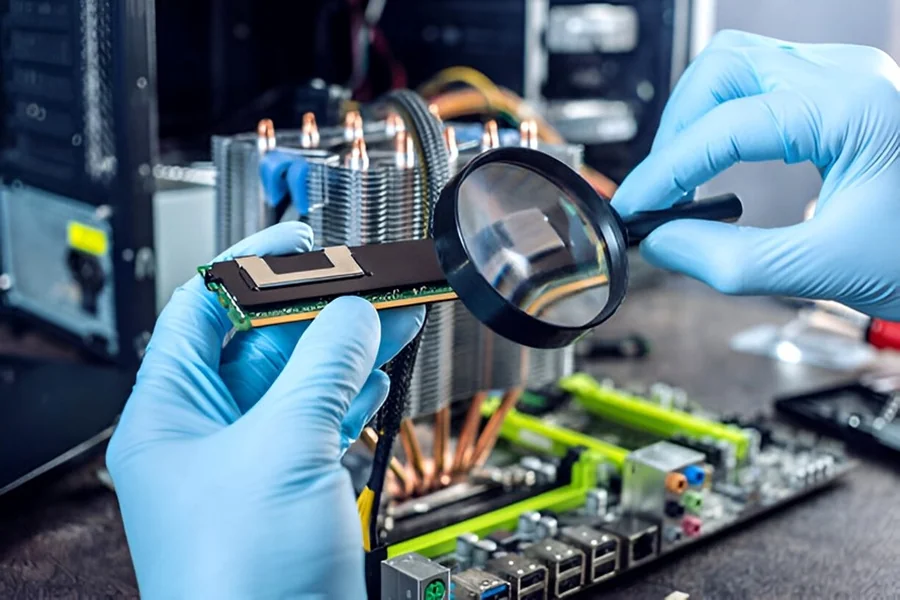
SMT PCB assembly has become the foundation of today’s electronics industry, enabling compact designs, faster production, and higher reliability. As devices continue to shrink in size while increasing in functionality, Surface Mount Technology (SMT) remains the most efficient way to assemble printed circuit boards with precision and consistency. Whether used in consumer electronics, industrial systems, medical devices, or automotive applications, SMT PCB assembly delivers performance that traditional assembly methods simply cannot match. With the growing demand for lightweight, power-efficient, and durable products, SMT continues to define the future of electronic manufacturing.
Understanding SMT PCB Assembly
SMT PCB assembly is a process where electronic components are mounted directly onto the surface of the printed circuit board rather than inserted through holes. These components, known as SMDs (Surface-Mount Devices), are smaller, lighter, and more suitable for automated production. The SMT process uses advanced pick-and-place machines, precision stencils, and controlled reflow ovens to ensure every component is placed accurately and soldered effectively. Because of the high level of automation, SMT PCB assembly achieves repeatable results, reduces defects, and supports extremely dense circuit layouts.
Why SMT Has Become the Industry Standard
SMT PCB assembly has replaced traditional through-hole assembly in most modern electronics due to its efficiency and design flexibility. The ability to place components on both sides of the PCB allows manufacturers to reduce board size while increasing the number of features. SMT also improves electrical performance because shorter leads reduce resistance and inductance. These advantages have made SMT the preferred choice for complex circuits such as microcontrollers, RF modules, sensor boards, and power management systems.
The SMT PCB Assembly Process
The SMT process involves several tightly controlled steps to ensure precision and reliability. It begins with solder paste application, where a stencil is used to deposit tiny amounts of paste onto specific pads on the PCB. This is followed by automated pick-and-place machines that position components quickly and accurately. Next, the boards go through a reflow soldering oven that melts the solder and forms secure electrical connections. After reflow, boards undergo inspection through optical systems or X-ray equipment to detect soldering defects or alignment issues. Each step contributes to the high consistency that SMT PCB assembly is known for.
Advantages of SMT PCB Assembly for Manufacturers
SMT PCB assembly supports high-speed production, making it ideal for large-volume orders. Manufacturers achieve greater output because machines can place thousands of components per hour with minimal human intervention. SMT components cost less, consume less space, and help reduce overall material costs. Products built using SMT technology are more shock-resistant and perform better in demanding environments due to stronger mechanical bonding. For industries requiring tight tolerances, SMT PCB assembly delivers unmatched accuracy and reliability.
Applications of SMT PCB Assembly in Key Industries
Because of its versatility, SMT PCB assembly is used across almost every major electronics sector. In consumer electronics, SMT enables smartphones, laptops, wearables, and tablets to remain slim and lightweight. Industrial automation relies on SMT to power sensors, controllers, and communication modules. Automotive electronics use SMT for engine management, infotainment systems, and safety devices where long-term reliability is critical. Medical devices benefit from SMT due to its ability to support compact, high-precision electronic systems such as portable monitors and diagnostics equipment.
Supporting Innovation in Product Design
Engineers choose SMT PCB assembly to accommodate multi-layer PCBs, fine-pitch components, and high-speed circuits that cannot be handled by older assembly methods. SMT’s capability to mount miniature components allows designers to create advanced electronics with higher performance in smaller footprints. This flexibility supports innovation and helps brands launch competitive products product after product.
Why SMT PCB Assembly Ensures Better Quality and Performance
One of the biggest advantages of SMT PCB assembly is the superior quality assurance it makes possible. Automated inspections, controlled soldering environments, and stable component placement significantly reduce the chances of production defects. Since human handling is minimized, consistency remains high throughout the manufacturing run. SMT also supports advanced testing protocols, ensuring the final product meets industry standards and performs reliably throughout its lifecycle.
The Importance of Choosing the Right SMT Partner
Although SMT equipment plays a major role, the experience of the manufacturing team determines the final results. Skilled technicians, engineers, and quality inspectors ensure each board is produced with care, precision, and adherence to customer specifications. A capable SMT assembly partner will support DFM reviews, material guidance, prototyping, and final testing to help businesses bring high-quality electronic products to market efficiently.
Get Professional Support from an Experienced Printed Circuit Board Assembler
If you want reliable production, consistent quality, and expert engineering support, choosing the right printed circuit board assembler makes all the difference. A professional team can guide you through SMT PCB assembly from start to finish, ensuring accuracy and reducing risk at every stage. Whether you’re scaling up production or launching a new design, a trusted SMT assembly partner will help you achieve better performance and long-term manufacturing success.
